In endothelial cell models, BPC-157 significantly enhances ERK1/2 phosphorylation in a dose-dependent manner, leading to increased cellular proliferation, migration, and vascular tube formationprocesses central to tissue regeneration and angiogenesis [26, 55]
BPC-157 is thought to work through several mechanisms, including: Upregulation of growth hormone receptors in tendon and muscle tissue Promotion of angiogenesis (new blood vessel formation) Modulation of nitric oxide pathways to support tissue perfusion Anti-inflammatory effects via interaction with the dopaminergic and serotonergic systems Direct cytoprotective effects on the gut lining TB-500 (Thymosin Beta-4 Synthetic Fragment) TB-500 is a synthetic analogue of Thymosin Beta-4 (T4), a naturally occurring peptide found throughout the human body, with especially high concentrations in platelets, wound fluid, and areas of active tissue repair
Remember, everyone's body is different, so results may vary from person to person
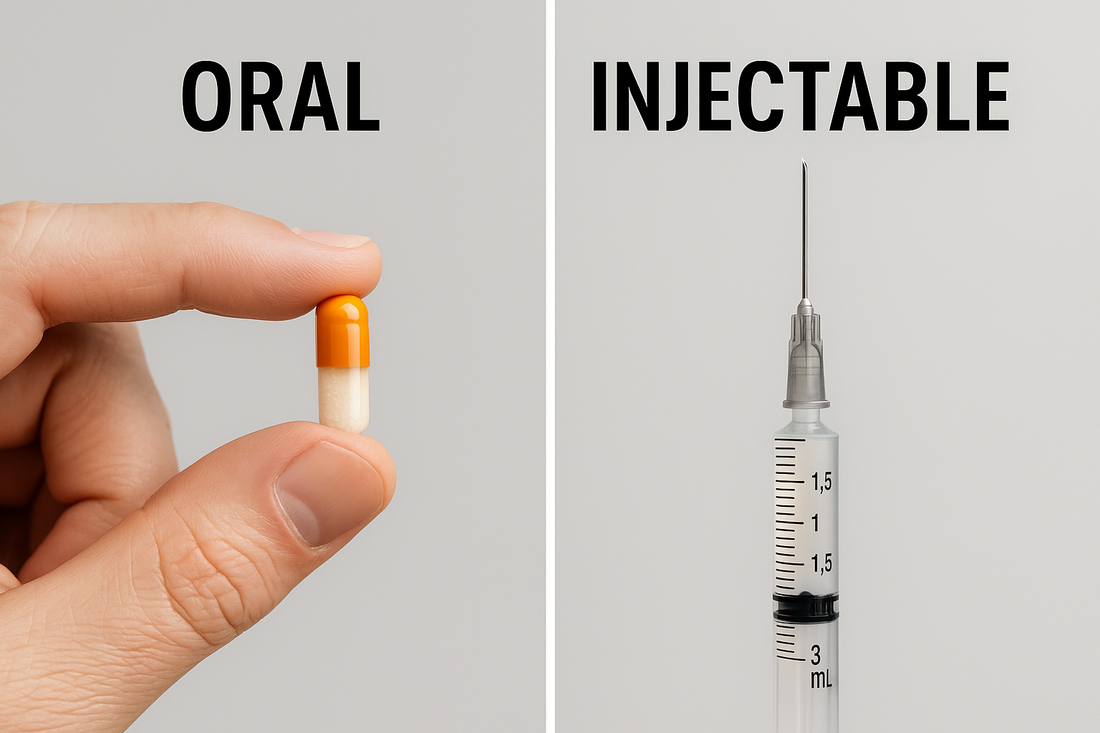
Peptides taken orally face a sequential degradation gauntlet
Additional scientific literature on sterile laboratory solutions and antimicrobial preservatives can be explored through publicly available databases such as PubMed