The diagnostic process typically involves: Clinical history taking, focusing on symptoms (fatigue, neurological changes, dietary habits) Physical examination for signs of anaemia or neurological impairment Blood tests including full blood count, serum B12, and often folate levels Additional investigations such as intrinsic factor antibodies or parietal cell antibodies if pernicious anaemia is suspected For borderline results, additional tests like holotranscobalamin (active B12) may be considered NICE guidance recommends that treatment should commence based on clinical presentation if neurological symptoms are present, without waiting for laboratory confirmation, as delays can result in irreversible nerve damage
Many patients searching for BPC-157 online or looking at online peptides come across products labeled for research use only. These are often: Poorly regulated At risk for contamination Inconsistently dosed or mislabeled This is why purchasing peptides online is not recommended
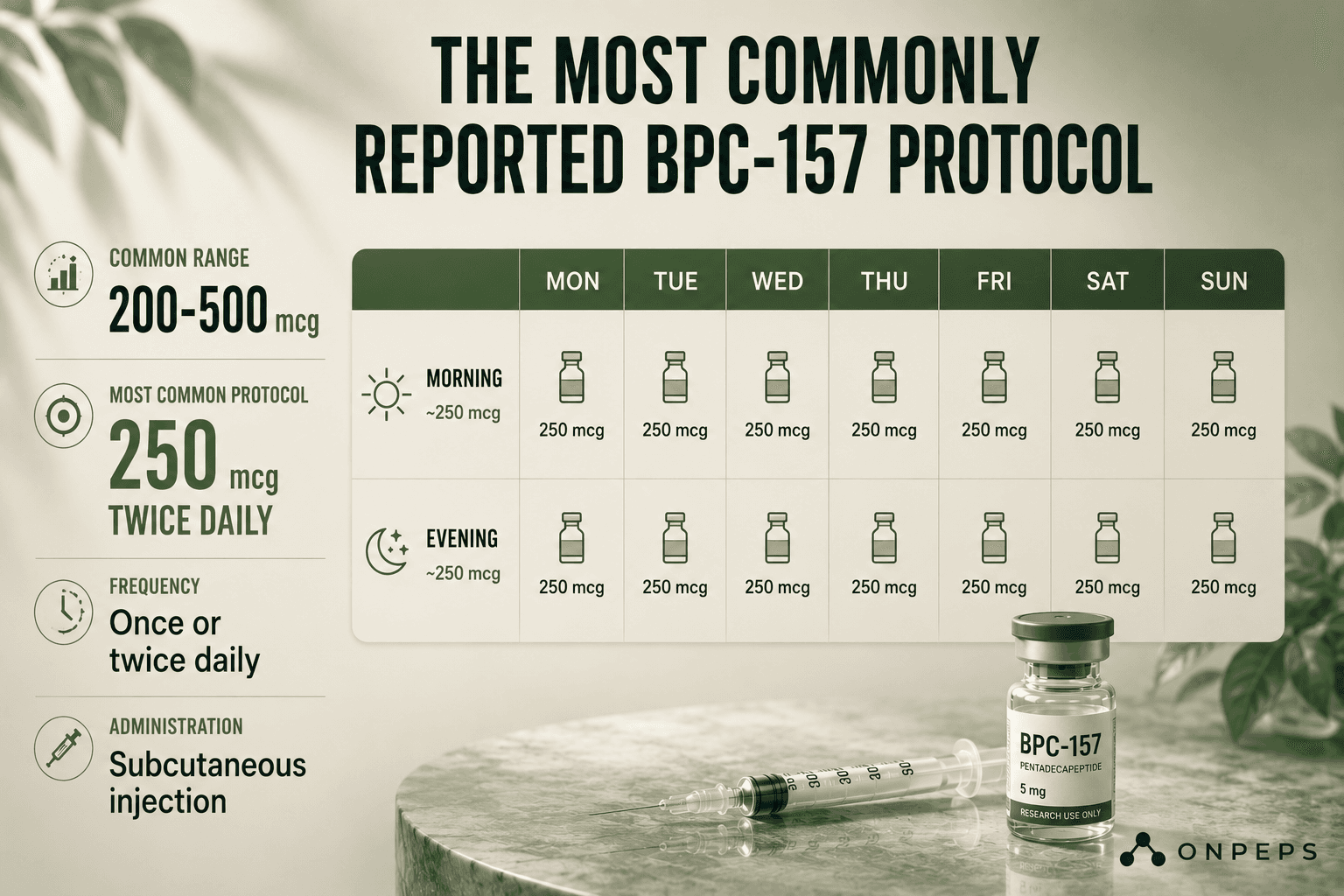
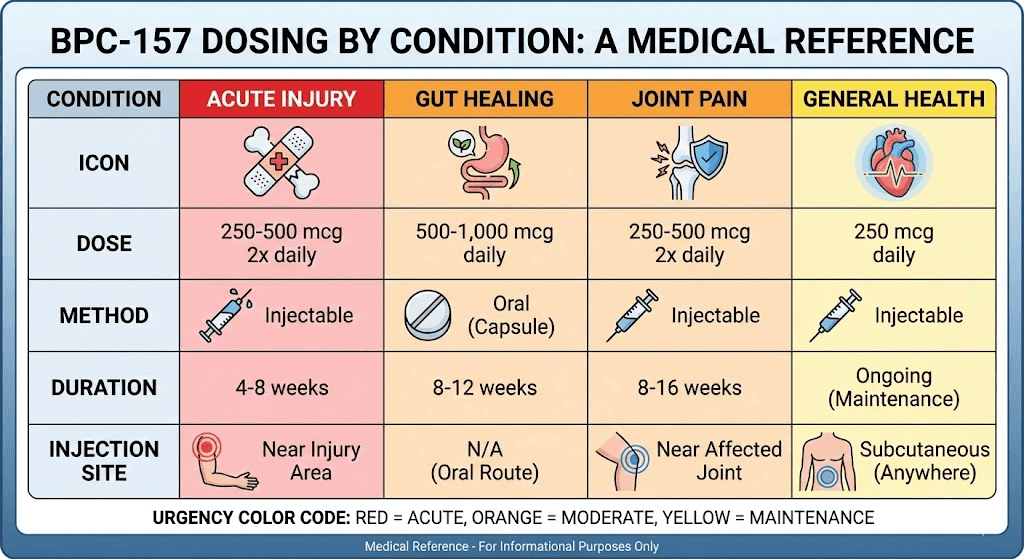
A 10 mg vial in 2 mL of bacteriostatic water gives 5 mg/mL, where a 1 mg dose draws 0.2 mL (20 units on a U-100 syringe) and a 0.5 mg dose draws 0.1 mL (10 units)
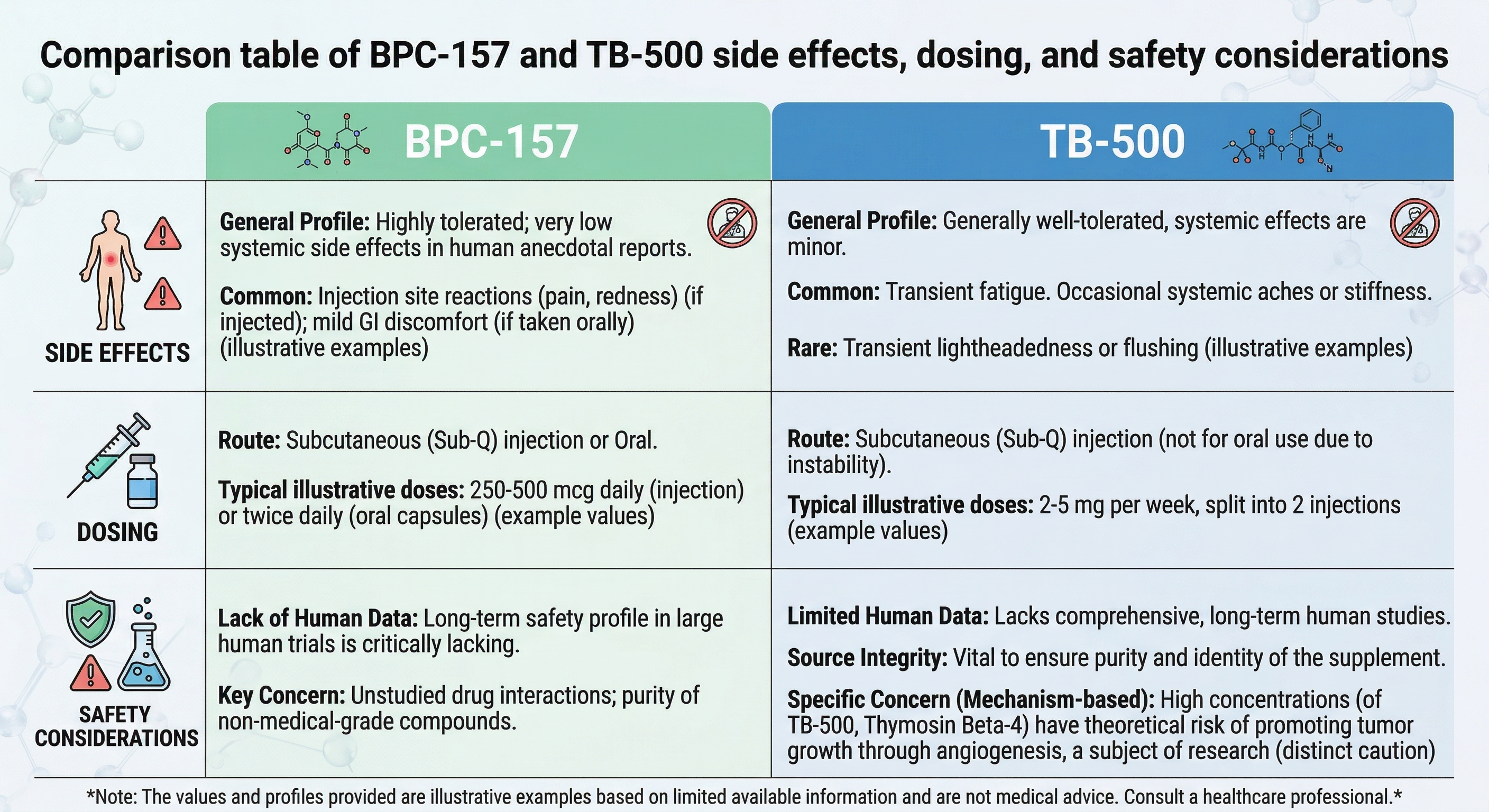
View BPC-157 Oral BPC-157 side effects typically involve gastrointestinal responses, despite the peptide's gastroprotective properties
You meet the legal age requirement in your jurisdiction