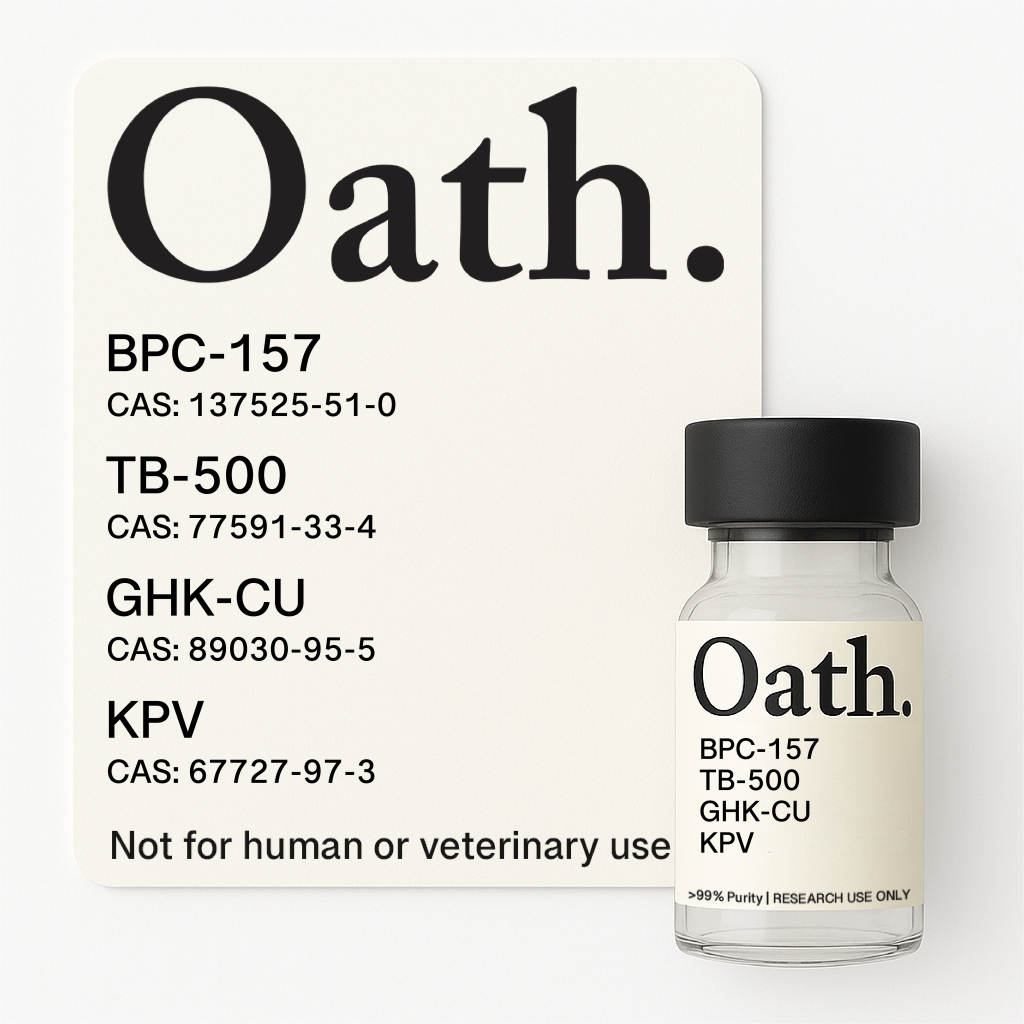
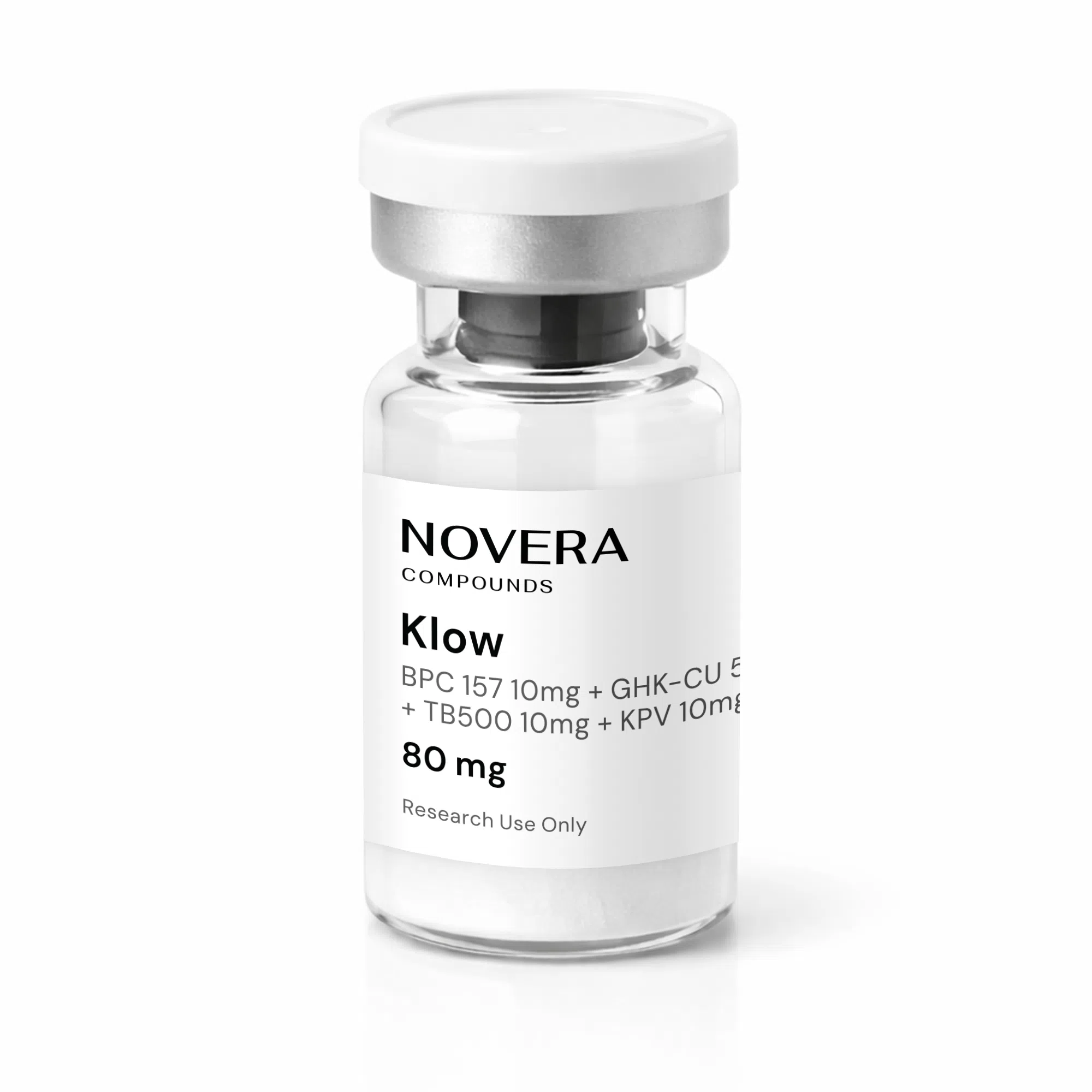
In research communities, these peptides are often discussed as complementary rather than directly competitive because: GHK-Cu is often chosen for collagen, skin, scar, and cosmetic tissue remodeling goals BPC-157 is often chosen for tendon, ligament, joint, muscle, and deeper recovery goals For that reason, many researchers discussing GHK-Cu vs BPC-157 eventually decide the better question is not which one is better, but which one better matches the tissue target? If you are building a broader research setup, you may also want to browse our research peptide collection for compatible inventory planning
Finding a reliable Peptide dose calculator can be challenging, especially when accuracy is critical for research outcomes
Veljaca, M., Lesch, C
Marshall C
Evaluation of: Glycerol production (a marker of lipolysis) 2-deoxyglucose uptake (a marker of insulin signaling) DNA synthesis (a marker of proliferation) What they found: AOD-9604 stimulated lipolysis dose-dependently from 10 M, with a plateau at 10 M Full hGH stimulated lipolysis to a similar maximum, but with different kinetics AOD-9604 did not affect glucose uptake or DNA synthesis at all, whereas hGH inhibited both (the classic lipotoxic GH effect) Fragments with different sequence (from the N-terminal part of hGH) had no lipolytic effect Why it matters: This was the first publication of AOD-9604