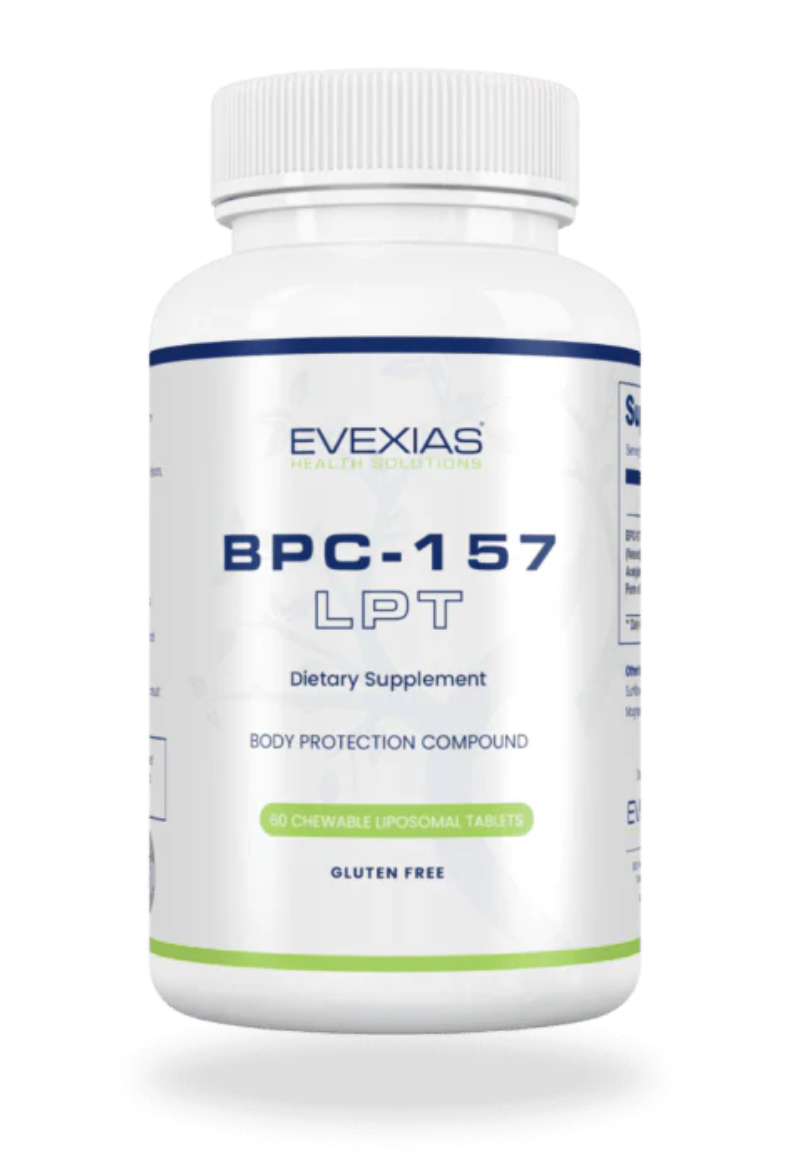
Does the Wolverine stack BPC-157 + TB-500 have peer-reviewed data

Flags theoretical pathologic angiogenesis potential: PMC12446177 Evidence Summary Preclinical: IBD/colitis models: High remission rates, restored mucosal architecture, improved barrier function Tendon repair: Accelerated healing, improved tensile strength, reduced fibrosis Neurovascular: Sciatic nerve protection, enhanced blood vessel growth in nerve tissue Human data (emerging): Interstitial cystitis pilot (2024, n=12): 10/12 complete resolution, 2/12 at 80% improvement IV safety study (2025, n=2): no adverse effects on cardiac, hepatic, renal, or glucose biomarkers Knee pain retrospective (2021, n=17): 91.6% reported significant improvement No large-scale controlled trials published Safety: No immunosuppression or hormonal disruption in available data 2025 systematic review (HSS Journal): recommends caution due to limited high-quality clinical evidence 2025 narrative review: flags theoretical pathologic angiogenesis risk Stable in gastric acid (oral administration viable) No observed toxicity at therapeutic doses in published reports Foundational Reviews Sikiric P, Seiwerth S, et al

discard after regardless of appearance
Within academic research, BPC-157 is often referenced when studying: Angiogenesis (formation of blood vessels) Fibroblast activity Collagen organisation in tissue models These research areas are relevant to broader scientific understanding of how biological systems respond to stress or injury at a cellular level
BPC-157 devotees swear it's superior for healing