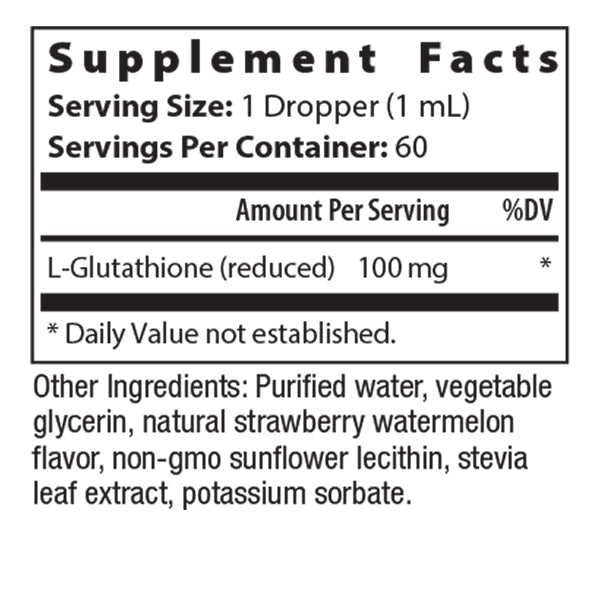
Take Home Thoughts Glutathione iv therapy is a controversial one
Often described as a permanent flush, it may also present with other known symptoms such as, Permanent or persistent facial flushing across the nose and cheeks Enlarged or broken facial capillaries (telangiectasis) Frequent blushing Swollen nose or cheeks (hyperplasia) Lumps under skin (non-tender) Pimples on forehead, cheeks & chin (yellow-headed) Facial burning, itching, stinging sensation Eye complaints, including red, swollen, itchy, irritated eyes and/or swollen eyelids Enlarged nose, thickening of nose skin (more common in men than women) Rosacea can also be classified into four sub-types: Subtype 1: Erythematotelangiectatic rosacea (sensitivity, redness, flushing) Subtype 2: Papulopustular rosacea (red papules, pus-filled pimples, alongside facial redness) Subtype 3: Phymatous rosacea (skin thickening, bumpy on nose) Subtype 4: Ocular rosacea (eye &/or eyelid inflammation, sometimes no skin symptoms are noticeable) It is important to note that symptoms can fluctuate depending on the individual and the listed subtypes are just a guide to support treatment
Cat# EKU04489-96T Technical Documents: Available Citations: Format Target Name Target Synonyms Species Reactivity Sample Type Detection Range Sensitivity Assay Type Human Glutathione S Transferase Alpha 2 (GSTa2) ELISA Kit for detecting GSTa2 in serum, plasma, tissue homogenates, cell lysates, cell culture supernates, other biological fluids
Hong et al., 2022) confirmed that Cur effectively ameliorated hepatic steatosis and reduced serum LPS levels in HFD-fed mice
Complete molecular characterisation of glucose-6-phosphate dehydrogenase (G6PD) deficiency in a group of Malaysian Chinese neonates