After long-haul travel, during or after illness, following significant physical exertion, or when dehydration is meaningful enough that drinking fluids alone is inadequate or too slow
Recently, it has gained traction in the wellness and beauty industries for its potential to enhance overall health and appearance
Understanding the Cancer Concern Angiogenesis Explained: Blood Vessels and Healing The Science Behind BPC-157s Healing Properties What the Research Shows About BPC-157 and Cancer The VEGF Pathway: Context Matters Three Decades of Animal Safety Data The Melanoma Study That Changes the Conversation BPC-157 Compared to Other Healing Approaches Long-Term Safety Considerations Personal Risk Assessment Framework Who Should Consider Avoiding BPC-157 Guidelines for Safe Use Peptide Quality and Purity Verification Monitoring During and After Use Alternative Peptide Options for High-Risk Individuals The Canadian Healthcare Context The Peptide Community Perspective Frequently Asked Questions Glossary of Terms References Understanding the Cancer Concern The question shows up in almost every BPC-157 discussion online
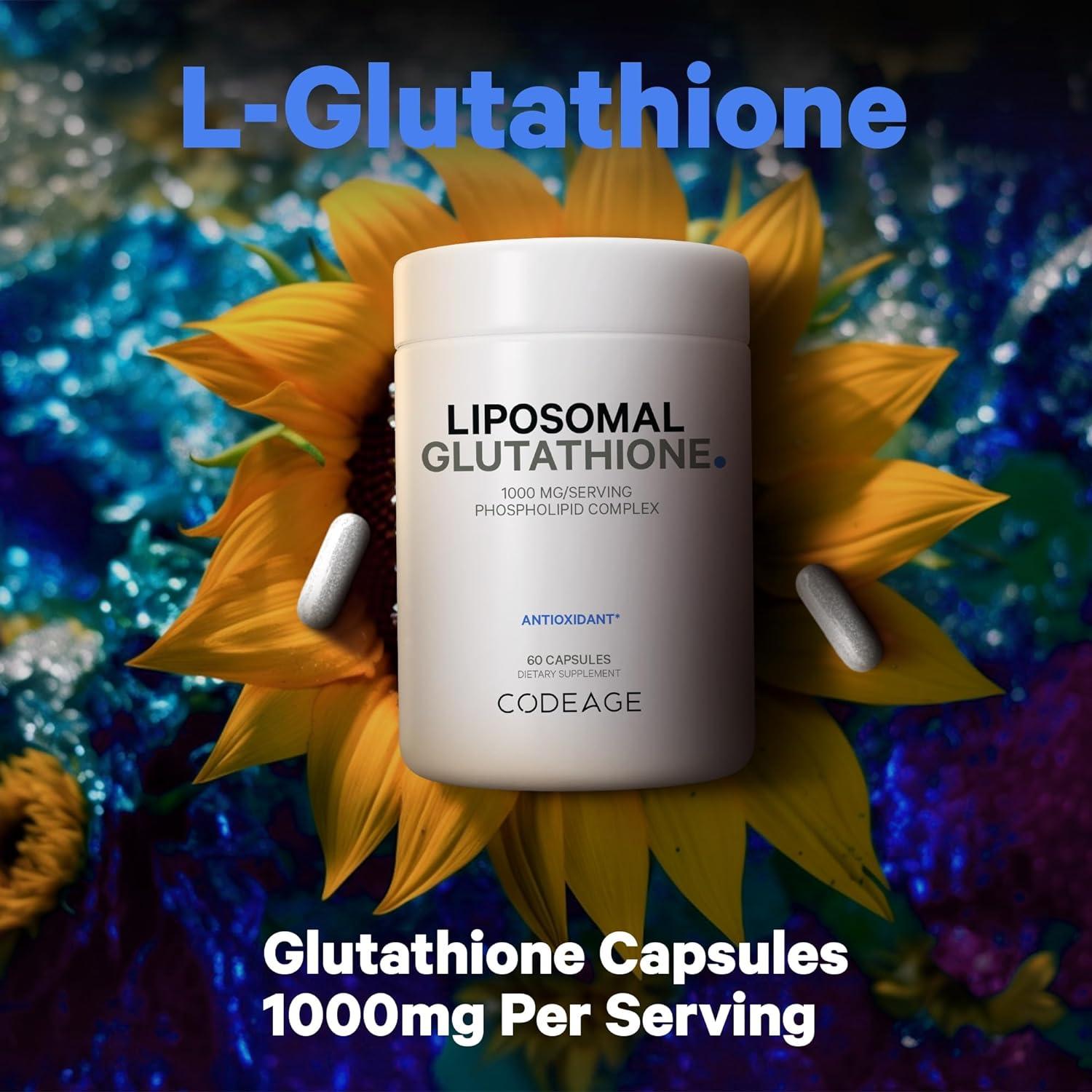
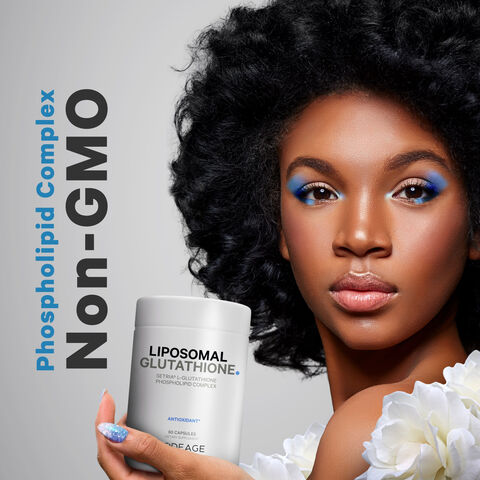
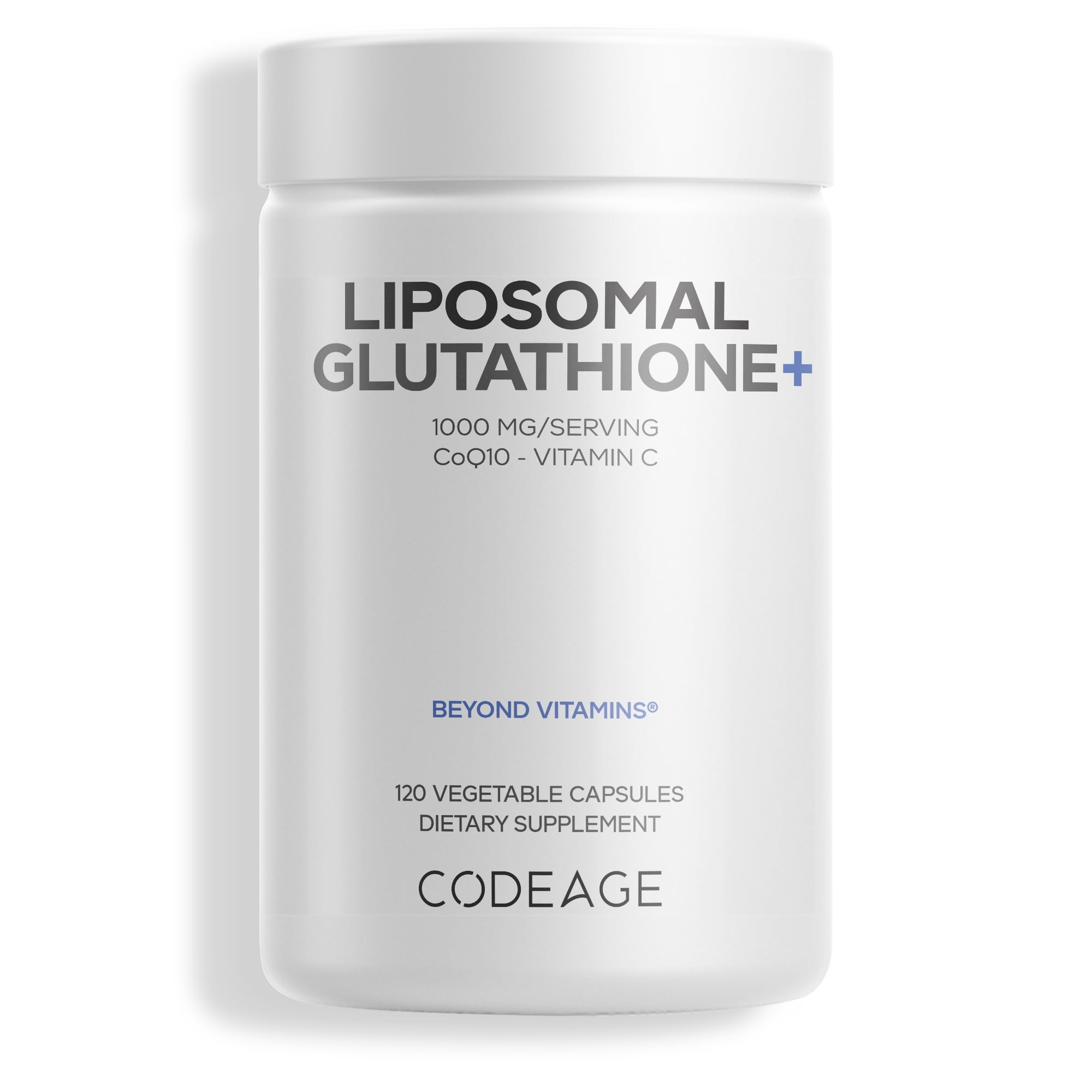
Because glutathione works to build and repair tissue, it can support the repair of any cellular damage and remove toxins so your body can heal
If you're taking any of the following long-term, it may be worth discussing nutrient monitoring with your healthcare provider: Acetaminophen (Tylenol) Glutathione Statins CoQ10, Magnesium Birth Control Pills B Vitamins, Vitamin C, Zinc, Magnesium Metformin Vitamin B9 (Folate), Vitamin B12, CoQ10 Benzodiazepines Melatonin SSRI Antidepressants Vitamin B6, Vitamin B9, Vitamin B12, Essential Fatty Acids Proton Pump Inhibitors (PPIs) Vitamin B12, Vitamin C, Iron, Calcium, Magnesium Corticosteroids Vitamin B9, Vitamin C, Zinc, Vitamin D, Selenium, Magnesium Important: Nutrient depletion varies based on the individual, dosage, duration of use, diet, and overall health