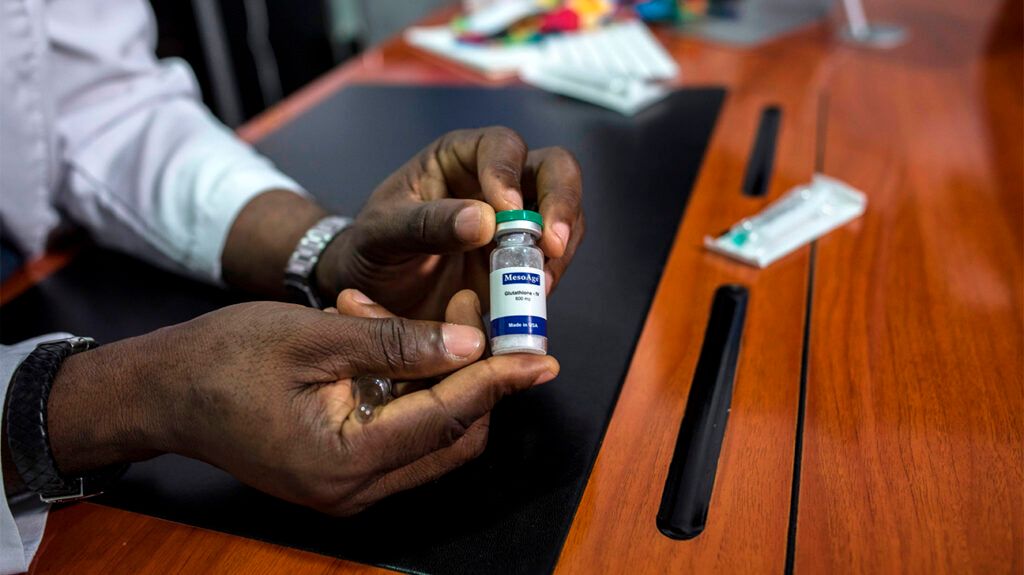
Key quality indicators to look for include third-party testing with certificates of analysis (COA) showing purity above 98%, proper lyophilization (the powder should be a clean, white cake, not a yellow or clumpy mass), appropriate packaging (amber vials to protect from light degradation), and clear labeling including peptide identity, mass, lot number, and expiration date
The trade-off is durability: because the peptide is recalibrating native processes rather than forcing a pharmacological state, results generally hold with less risk of immediate reversal upon discontinuation
Look for: (1) third-party COAs from recognized labs like Janoshik (a useful companion read here is our best grey-market research peptides list ), (2) credit card acceptance, (3) a physical business address, (4) positive reviews across multiple independent platforms, and (5) a Finnrick vendor profile with verified test results
doi: 10.1038/ncomms3081
Also see our article about supplements that may improve or worsen tinnitus