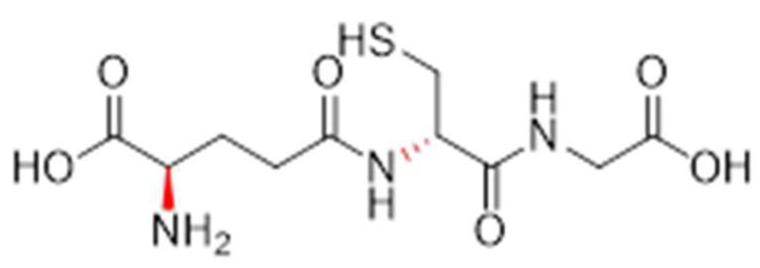
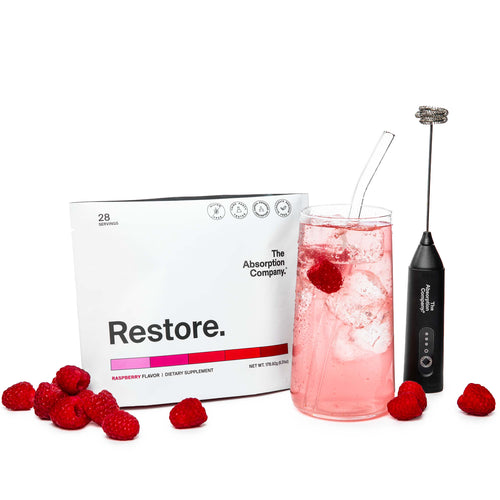
While the beauty industry constantly introduces new miracle ingredients, scientists have long known about Glutathione, a naturally occurring antioxidant that may explain why some people seem to defy skin aging
High-dose thiamine therapy counters dyslipidemia and advanced glycation of plasma protein in streptozotocin-induced diabetic rats
There are no official recommendations for consumption of either, and the maximum tolerable intake has not been identified
Bn cnh l nhng cu hi lin quan v vin ung dng da ny nh: Bihaku Premium mua u chnh hng, c tt khng, gi bao nhiu

As the bodys most abundant intracellular antioxidant, glutathione serves as a crucial defense system against oxidative stress and plays multiple roles in maintaining cellular health: Neutralizes free radicals: Directly scavenges reactive oxygen species (ROS) Regenerates other antioxidants: Recycles vitamins C and E Detoxification: Conjugates with toxins for elimination Immune function: Enhances activity of immune cells Cell signaling: Regulates cellular proliferation and apoptosis Mitochondrial protection: Maintains mitochondrial integrity Glutathione in Metabolic Health While primarily known for its antioxidant properties, glutathione plays significant roles in metabolic health that are particularly relevant to weight management practices: Insulin sensitivity: Helps maintain normal insulin signaling pathways Adipocyte function: Influences fat cell metabolism and inflammation Hepatic health: Protects against fatty liver disease Mitochondrial efficiency: Promotes optimal energy production Inflammatory regulation: Modulates chronic inflammation associated with obesity Research has shown that obesity and metabolic syndrome are associated with depleted glutathione levels, creating a state of increased oxidative stress that can exacerbate metabolic dysfunction