Published online 2014 Feb 15
Best Practices to Minimize Local Irritation (Research Context Only) General laboratory handling considerations may include: Rotating administration sites Avoiding repeated use of the exact same location Allowing alcohol to fully dry before administration Injecting slowly Ensuring complete dissolution before drawing solution Avoiding overly concentrated reconstitution ratios Avoiding overly shallow (intradermal) placement and ensuring material is delivered into the intended subcutaneous layer when applicable Very superficial placement into the dermal layer may increase the likelihood of visible welts or raised bumps, as fluid deposited intradermally tends to remain localized and elevated rather than dispersing within subcutaneous tissue

8.4.1.2 Dog Groups of three male and three female beagle dogs were fed diets containing 0, 0.1, 1, 10, 100, or 500 mg dichlorvos (93%)/kg diet for 2 years, the average actual concentrations being 0, 0.09, 0.32, 3.2, 32, and 256 mg dichlorvos/kg diet (equivalent to 0, 0.002, 0.008, 0.08, 0.8, and 6.4 mg/kg body weight)
Along with oxidative stress, these abnormal molecular changes lead to impaired mitochondrial respiratory function, ATP depletion, and various destructive cellular processes, such as mitochondrial fission, mitophagy, and programmed cell death, as we discuss below
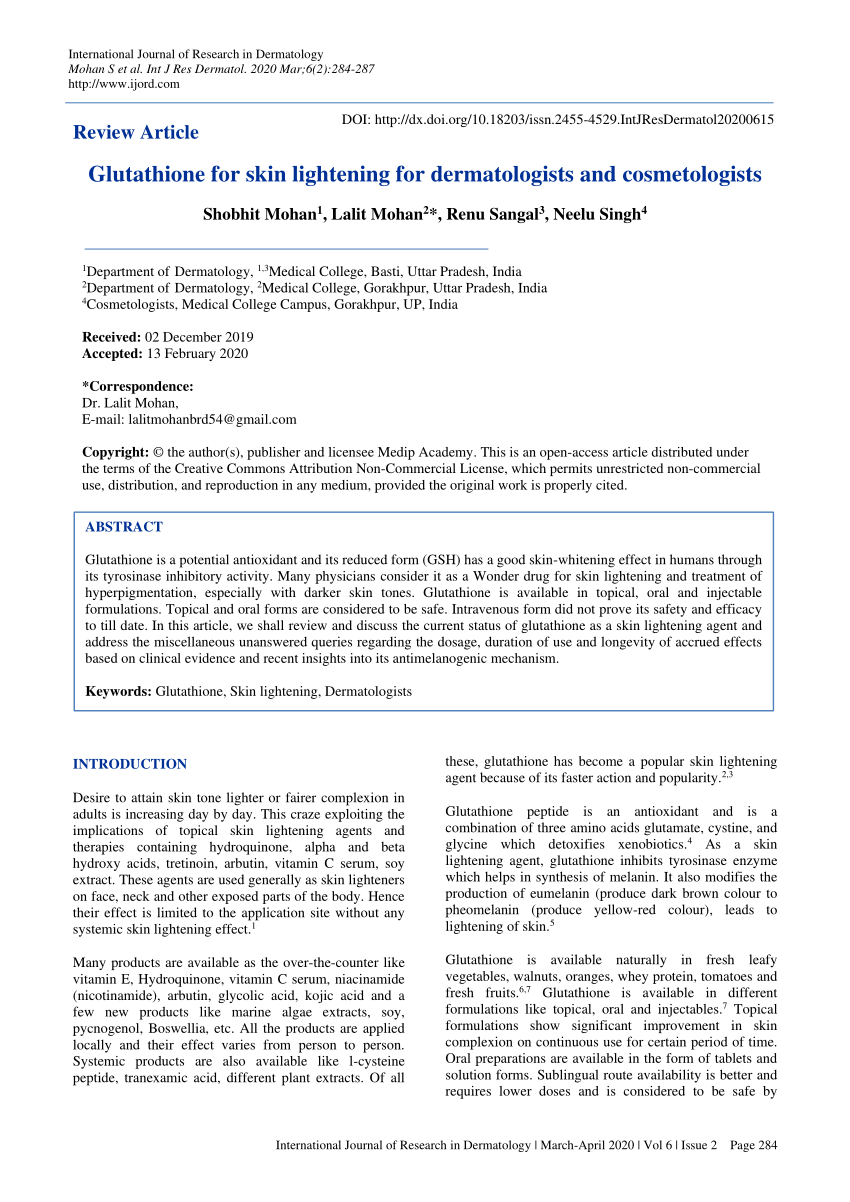
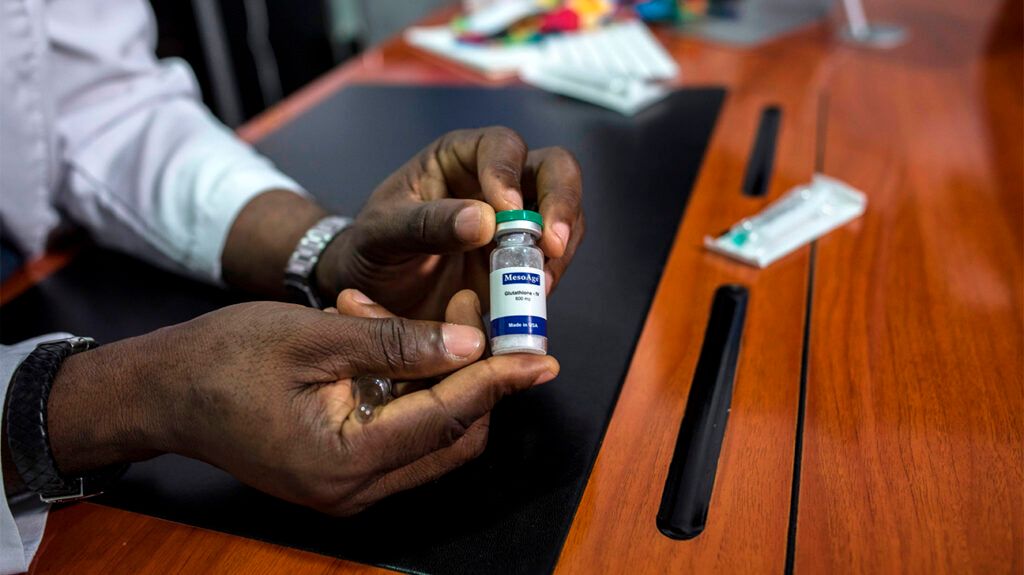
Many people take glutathione supplements to brighten their skin, fight aging, and boost overall wellness