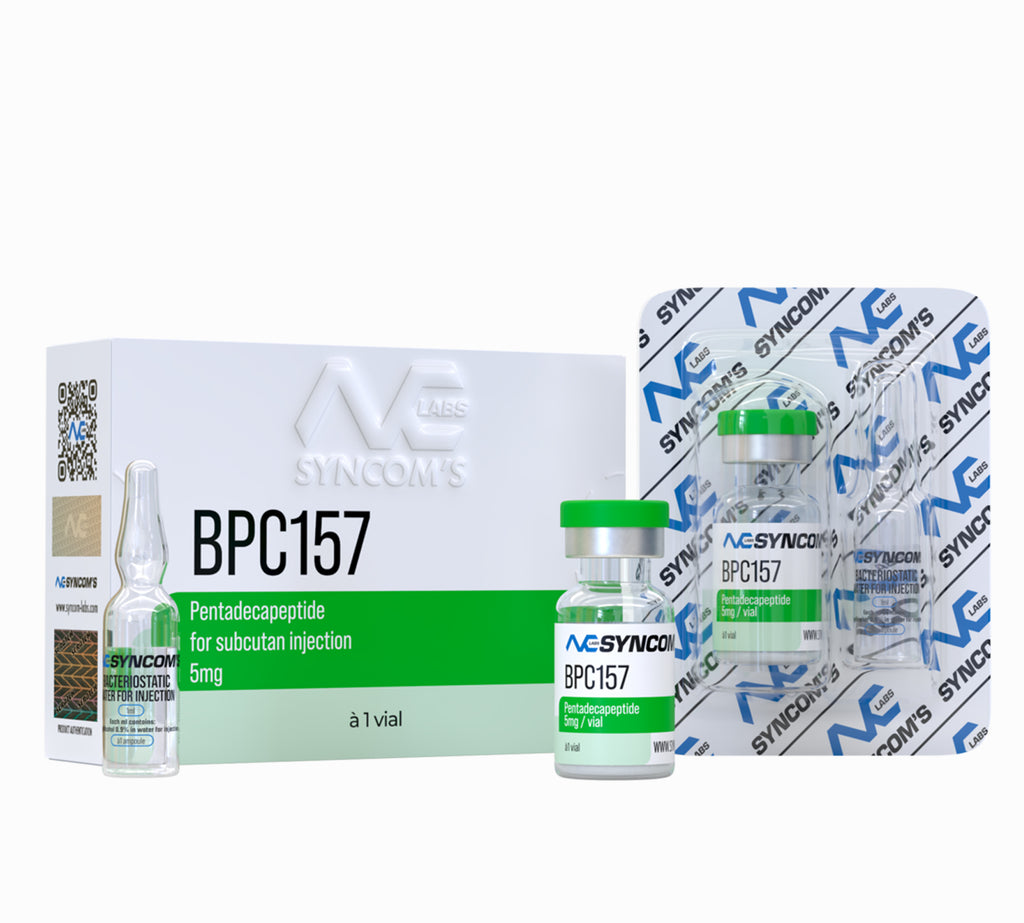
From 1st week: Reduced pain (noticeable within 3-7 days) Decreased inflammation Improved range of motion Better sleep (reduced pain at night) By week 2-3: Significant pain reduction Return to light activity possible Improved tissue mobility Reduced morning stiffness Week 4-6: Major healing progress Return to normal activities for minor injuries Continued improvement for moderate injuries Tissue strength improving Week 6-8: Near complete recovery for minor injuries Significant improvement for moderate injuries Reduced risk of re-injury Can increase activity level safely Realistic expectations: BPC-157 might cut healing time by 30-50%

For established cognitive support, the evidence-based options include aerobic exercise (strong evidence for cognitive benefits, especially executive function and processing speed), sleep optimization (critical for cognitive function), Mediterranean diet (modest evidence for cognitive protection over years), treating sleep apnea (significant cognitive improvements when this condition is addressed), treating depression (major cognitive effects when present), donepezil and other approved Alzheimer drugs (modest evidence-based effects in actual Alzheimer disease), and stimulants (well-established for ADHD)
So, if your vitamin B12 deficiency is due to an autoimmune disease in which your stomach doesn't make intrinsic factor, supplements might not work for you, and you will need injections
Severe insulin resistance / T2D : low doses may be less clinically visible, so the model can push the target upward, but it still builds through the lower adaptation rungs
In the meantime, here are some alternative peptides that have senolytic properties: 5-Amino 1MQ, MOTS-C, Epitalon, and Humanin